
Written By: Paul Zwaska
Managing an organization’s financials is a lot like managing a business. And it is exactly how those who run an organization should look upon that duty. Businesses and organizations are always looking for ways to grow. In most cases, that growth cannot occur without money to carry it forward and a plan of how to spend it. Those plans are called “budgets,” with the visionary portion called a “long-range plan.” This blog focuses on budgeting and future blogs will focus on best practices for visionary long-range planning. All this combined is how a well-run business, or in this case, a sports organization, expands and/or improves its facilities.
As I stated in Part 1, historical data will help guide your budgeting process. I started from scratch with the little league and had to go through a year’s worth of receipts, payroll data, and income deposits. I then organized and categorized it into a logical budget-tracking system. After that, I created a budget-tracking form and a protocol of how I would ensure the fiscal checks and balances of the organization. The treasurer of our organization paid all the bills, paid our employees, collected, and deposited all the money from our various income streams. At the end of each month, I gathered all receipts, deposit slips, and concession income reports. I then matched them to the bank statements, categorized each transaction, and entered them into the appropriate budget accounts. I know it sounds daunting, but the biggest challenge was creating the process. Once achieved, it became pretty easy to classify and log the data. Now, much of this can be done with financial management software, but I’m sure there are plenty of organizations that just aren’t that sophisticated, and this more hands-on process may benefit those who need it.
Our little league had both baseball and softball with a spring/summer season and a fall ball season. We had our own 3-field complex that handled the baseball program in summer and both baseball and softball in the fall. Softball was played at a nearby field that we rented from the city. Now, seeing the details makes it easy to fully examine and scrutinize spending and income so that adjustments can be considered to improve operations through efficiency (which equals savings) or, if necessary, increased fees. It also helps in planning facility and field upgrades and figuring if you have the budget to fund it.
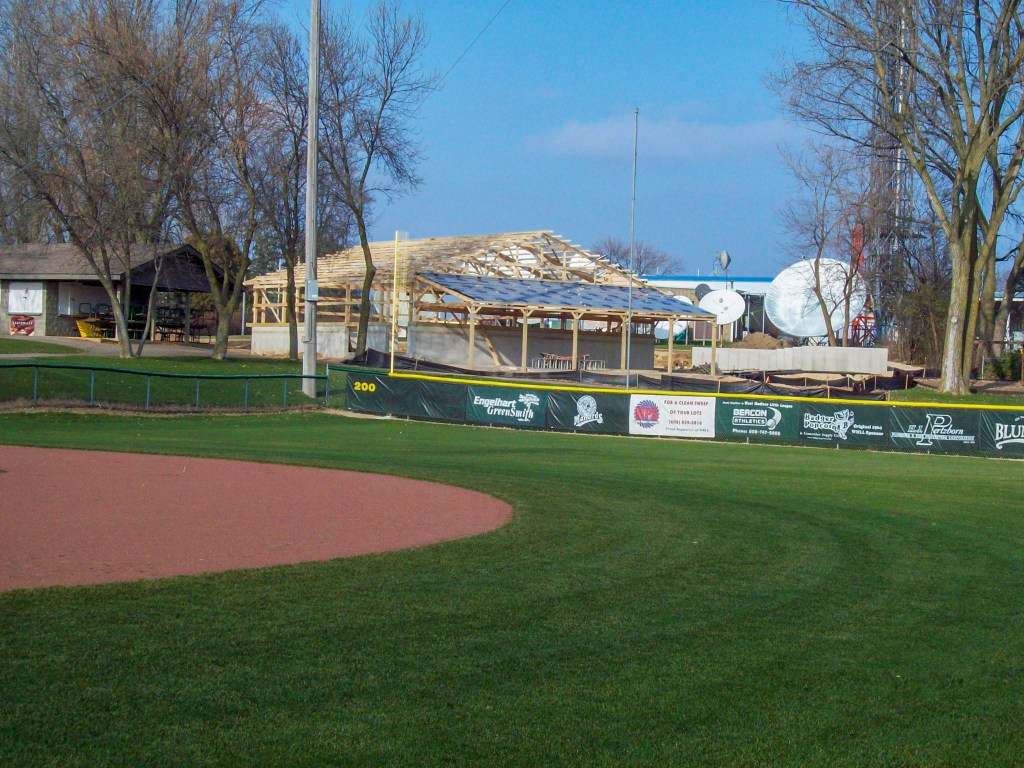
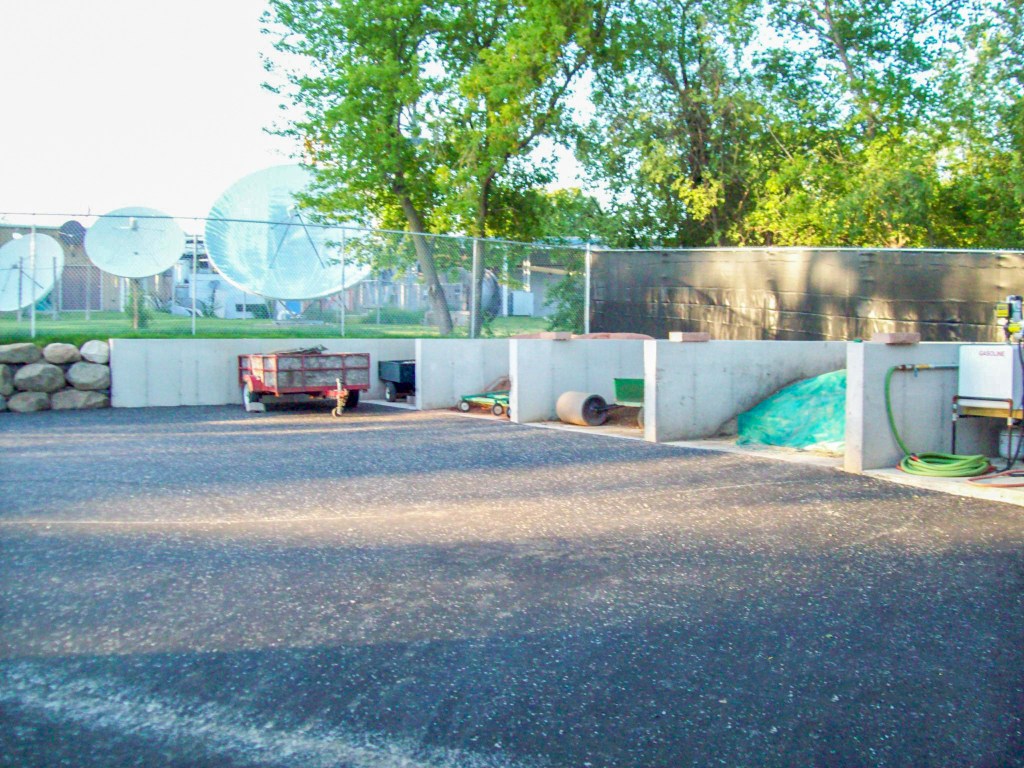
Speaking of facility upgrades…in 2009, I used some of these budget-tracking sheets to secure a bank loan to pay for a field maintenance/storage building with a picnic porch and groundskeeping compound. When I went in and talked to the bank, I showed them our budget-tracking reports for the previous 24 months. The bank executive was blown away and basically said, “How much do you want?” He was impressed with our detailed recordkeeping and financial situation. He commented that he wished that even half the people coming to him looking for business loans were armed with this type of information. The bottom line is this document is what sold the bank on giving us a loan to tackle our project. We paid that loan off in five years, and that building is a key feature in the success of the league’s operation. It also helped to lure more families into the program, thereby increasing income.
Improve your facilities, and increased participation should be the result. In other words, if you build it, they will come.
A budget meeting was called two months before the end of the present budget year. The attendees included board members who headed different sections of the organization’s operation. Each presented his or her prediction, followed by discussion among the group, and then final numbers were assigned. Once completed, the budget was presented at the next board meeting for discussion and adjustments among the full board before voting for acceptance.
This entire process provided the organization with full disclosure of all financial dealings and a financial roadmap for operation and improvements of the facilities each year. It also provided legal protection to the organization’s officers because of the tight, transparent recordkeeping of all financial transactions.
In 2004, we doubled our income and then some. That was due to reinvesting in our facilities, which, in turn, drew in more families and sponsors into our league, increasing our revenue streams. Remember: parents want to send their kids to nice facilities to play sports.
For those interested in using the budgeting document I’ve written about in this blog, we have included those Here. The cells were cleared, but the formulas remain. You can add, remove, or rename account lines to adjust these documents to fit your organization’s situation. Good luck!
 The DuraEdge Blog