
WRITTEN BY: PAUL ZWASKA
Budgeting… To some people, just the mention of this exercise can cause waves of panic and apprehension. But organizationally, it’s hard to be successful without one, especially if the organization manages and maintains its own ballfield facilities.
It is surprising to find out how frequently we run into sports organizations, particularly at the youth level, that do not use this tool to manage and understand their financial situation and utilize it for long-term planning. A budget is a financial road map for an organization. It spells out where the revenue streams are and where that revenue will be dispersed. But it helps to find opportunities by forcing the organization to do a deep dive into just how money is being spent and whether those expenses are justifiable.
On the revenue side, understanding your costs allows you to better judge what you charge for registrations, sponsorships, and other revenue streams. Armed with this information, you can work to plan projects for upgrading your facility, as you have a better understanding of your organization’s financial health and potential. In fact, a five-year plan to upgrade your facility is a living document that should go hand-in-hand with all of your organization’s planning. That document should be updated annually by prioritizing projects, removing them from the plan as completed, and adding new future projects as ideas are vetted through the organization’s board of directors.
I learned about budgeting while in Major League Baseball. When I took over as Head Groundskeeper, our department had no budget, as the previous Head Groundskeeper refused to do one. I had to start from scratch; I had no history of purchasing in the past. The past is crucial information when developing a budget, so good record-keeping of revenues and expenses is a must. I quickly picked it up, and my budget began to impress the organization, as I was always within 1 to 2 percent of my budget at the end of each fiscal year.
Later, after my MLB days in the early 2000’s, my nine-year-old son began playing at the local Little League. Once the league learned of my background, they begged me for two years to join the board. Reluctantly, I caved to the pressure. At the time, the league had about 750 kids playing in it and a $200,000 revenue stream annually. At my first board meeting, I discovered they had no budget and little detail of where they got all their money from or where it all went. They had a three-ballfield complex that, in my opinion, was in serious disrepair. It was very clear to me that this organization was not charging enough to properly care for their ballfields. This was going to take some work to get them to change their ways.
I volunteered to begin creating their budgeting process. It started with getting a handle on their history. The treasurer of the club luckily kept all receipts, so I went through an entire year of receipts, deposit slips, and paystubs to chart history of revenue and spending by charting it into a spreadsheet. Accounts were created for all areas of operation. The result was an annual budget-tracking form that the league still uses to this day. With this information in hand, we could sit down and create a budget for the next fiscal year. Little League runs their budget calendar from October 1st through September 30th. A budget committee was formed and met each August to create a budget for the coming fiscal year that would then be presented to the entire board for a vote. Once accepted, it was put in place for the following fiscal calendar.
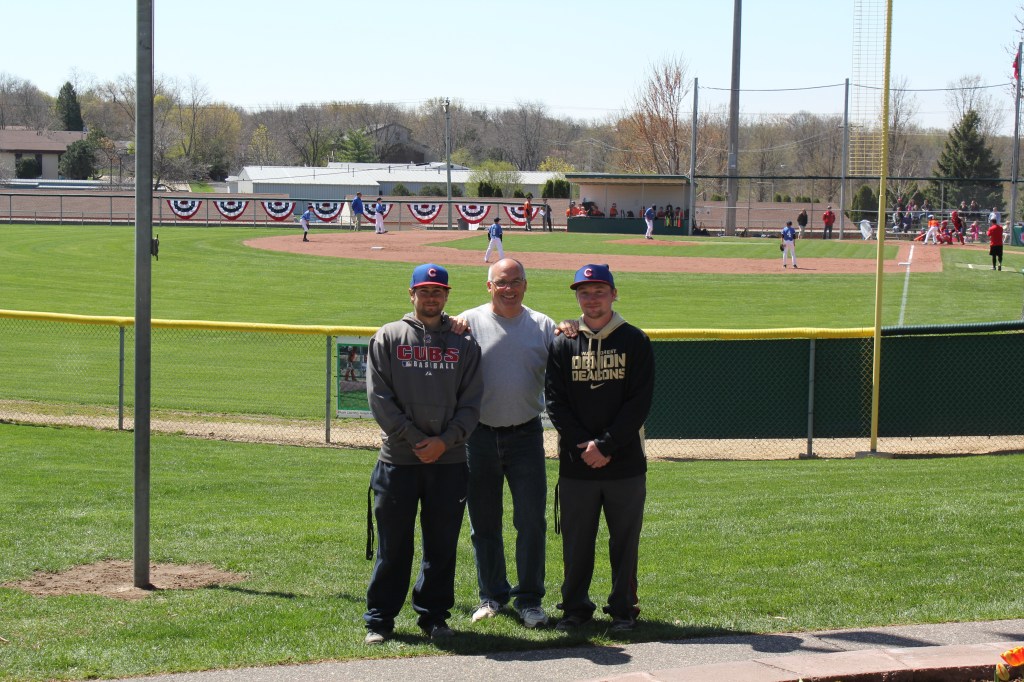
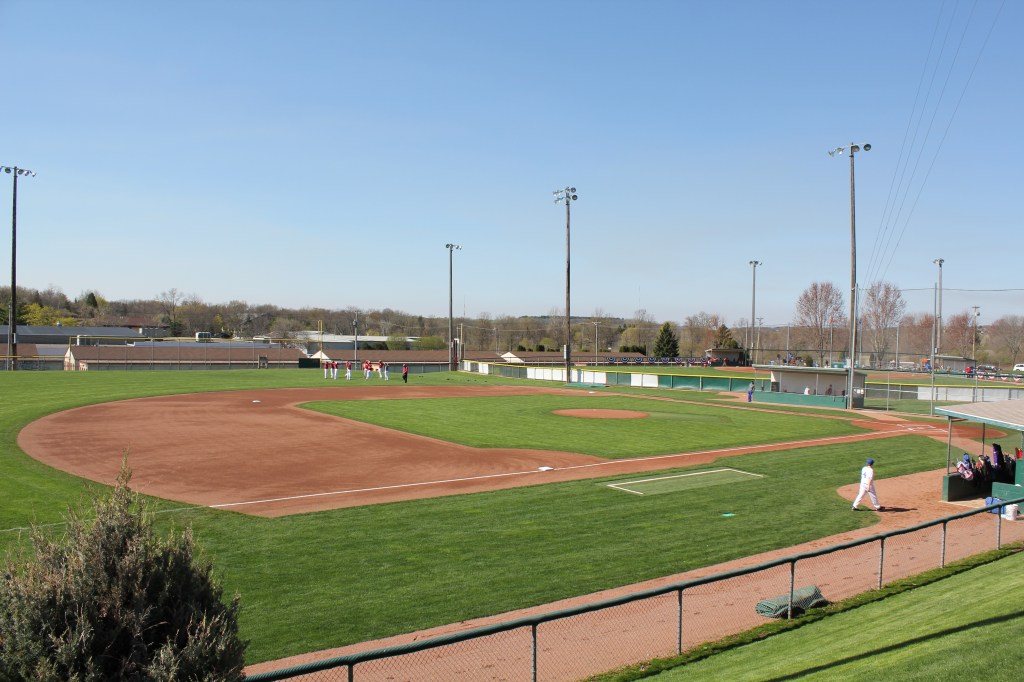
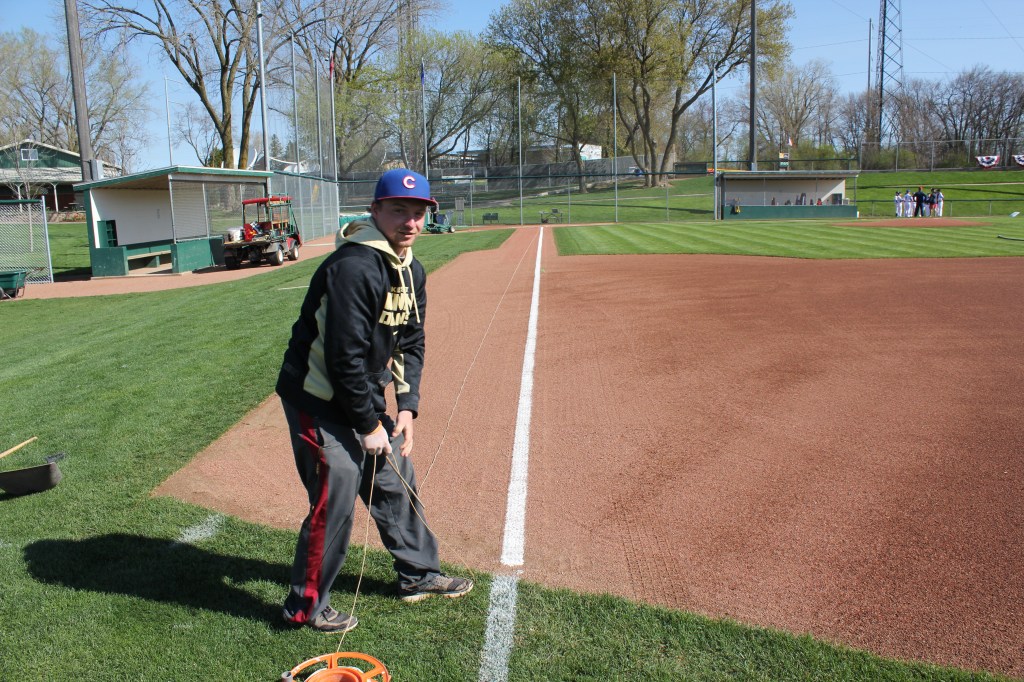
In the years that followed, the board realized their fees were too inexpensive, especially when compared to the other youth sports in the area. By increasing fees, improving concessions, increasing fundraising activities, and expanding and advertising fall ball leagues, the league’s revenue stream rose from $200,000 annually to almost half a million dollars. Registrations went from 750 to over 1600 combined between regular season and fall ball. The league was flush with money for field and facility upgrades, and members were thrilled to have their children playing ball there. The board fought me tooth and nail in the early years about raising fees; they were scared to make too big of a jump at any one time. But as I promised them, the membership will never EVER complain about fee increases if they see the facility always being updated and improved, because here is the dirty little secret: parents WANT to send their kids to play on well-maintained and safe ballfields and are willing to pay for it. Nobody wants to play on fields that are unkept or poorly maintained and have safety issues everywhere. That is NOT how you build interest in the sports of baseball and softball.
One final note: Sadly, over the years I have seen many cases of adults in official positions in youth sports stealing money from those very organizations. When I set up the budgetary process in our league, I created a system of checks and balances to ensure that no monkey business was going on. Our treasurer handled all the money, made all deposits, and paid all bills. I received all proof of expenses and bank deposits, along with reports from concessions and full access to bank accounts and statements to log everything while tracking our finances. Each monthly board meeting set aside time to review the budget tracking report so that all board members were fully versed as to the current state of income, expenses and cash reserves. This protected our treasurer from any accusations and assured our membership that if they were to question anything financial, we had all the evidence to show we were totally honest with our finances.
In part two of this blog next month, we’ll provide historical documents showing our budget-tracking documents and our budget worksheets so you can see how detailed we were in keeping track of everything. We’ll also supply you with forms to use in your organization to do your own budget-tracking and budget creation.
 The DuraEdge Blog
Great post, Paul! Your experience and success in implementing budgeting processes at both the Major League Baseball level and local Little League level is remarkable. It’s clear that having a solid financial roadmap can lead to significant improvements and growth for sports organizations. Looking forward to part two of the blog!
What advice would you give to organizations who may be hesitant to start implementing budgeting processes due to fear or lack of experience? How can they overcome these barriers to begin effectively managing their finances and planning for the future?
LikeLike
From Paul: The organization needs to track it’s income and spending so they know where its funding is coming from and where it’s going to. This way you can more effectively assess if you are properly setting registration fees, concession prices and fundraising goals to cover costs of operation and continuing upgrading of the facility. It’s a key tool in finding opportunities for efficiencies that can reduce costs, increase income and build a purse for capital projects. A committee should also be formed to long range plan (ideally a five-yr plan) of what the organization would like to see accomplished in upgrades. List them, prioritize them and celebrate each success as you knock one off the list. That plan should be a living document that is revisited and updated every 1 to 2 years. And don’t be shy to raise registration fees. As long as you pump money back into the facility to upgrade it, your membership will never complain. Remember the big secret? Parents want to send their kids to nice facilities to play.
LikeLiked by 1 person