
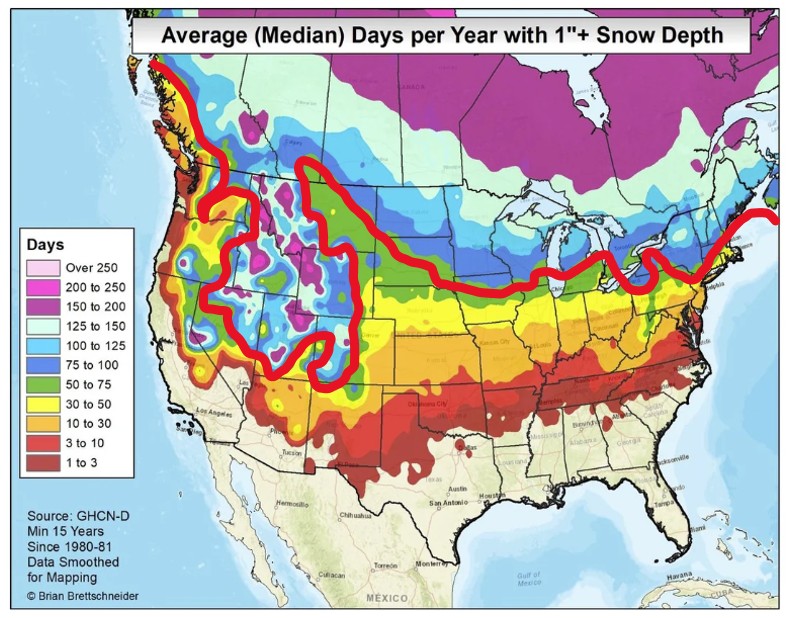
Winter is right around the corner, and to those who reside where snow cover is a fairly regular occurrence, its doing your infield a favor. If you are above the thick red line on this map, rest at ease because you commonly experience 75 days or more of snow cover on your field, protecting your infield topdressing from being displaced.
Unfortunately, those snow-covered fields are in the minority. Most ballfields in the US experience limited and inconsistent snow cover or none at all. Why is that a problem, you ask? Well, if you are using a topdressing on your infield skin surface, then winter inactivity, strong winter winds, and heavy rains are the root of evil to your turf edges. Winter winds are some of the strongest winds during the year and it’s during a time when little to no maintenance occurs on ballfields. Heavy winter rains can also contribute to that material migration as well. If topdressing is blown about or washed into lips, it will not get corrected the next day by those who maintain. Consequently, the lips can continue to compound as the off season progresses. You could return to your field in late winter early spring and find a sizable build up of infield topdressing in your turf edges.
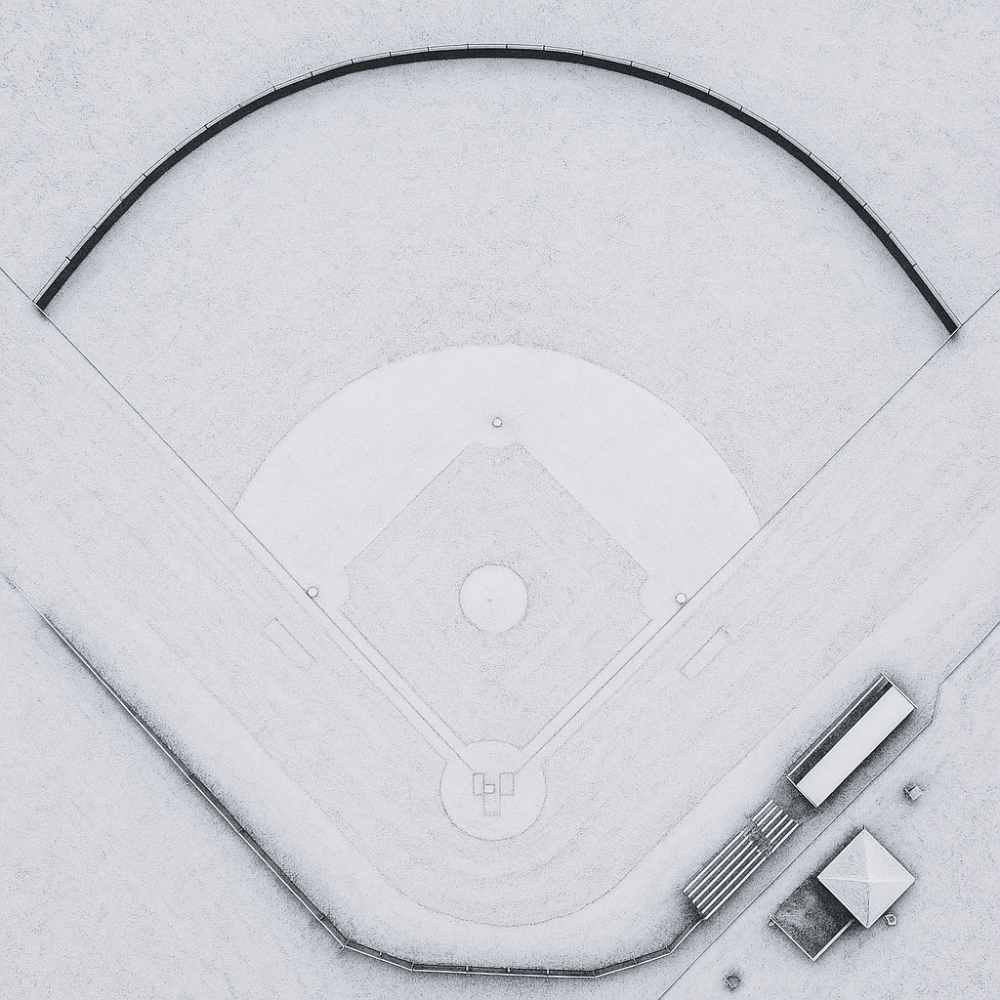
Not all topdressings are easily transportable by wind. Particle size, shape, and material make up will dictate how easily an infield topdressing can be displaced. In general, the larger the topdressing particle size, the less mobile it will be. Topdressings that are more angular will slow its mobility vs more rounded particles which can roll along more easily in wind. The bulk density of these products are probably the biggest factor determining ease of mobility. The higher the bulk density of a topdressing material, the less mobile it is because it will weigh more. For instance, DuraEdge has calcined clay and expanded shale topdressings. Calcined clay has a lighter bulk density than expanded shale, so the calcined clays can blow more easily across an infield skin in the right wind conditions. The bottom line is that lighter weight particles that are finer in gradation and rounded will more easily move on your infield surface as wind speeds increase.
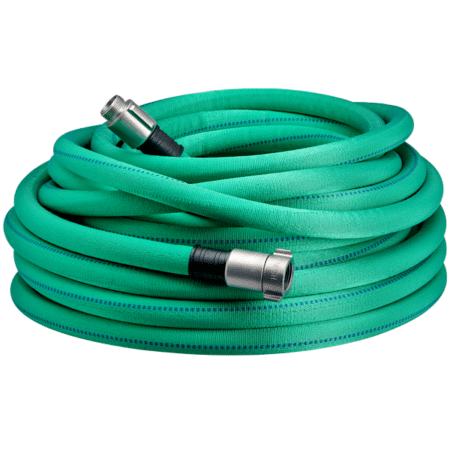
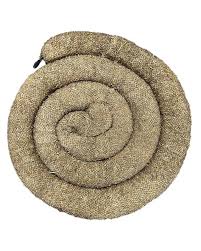
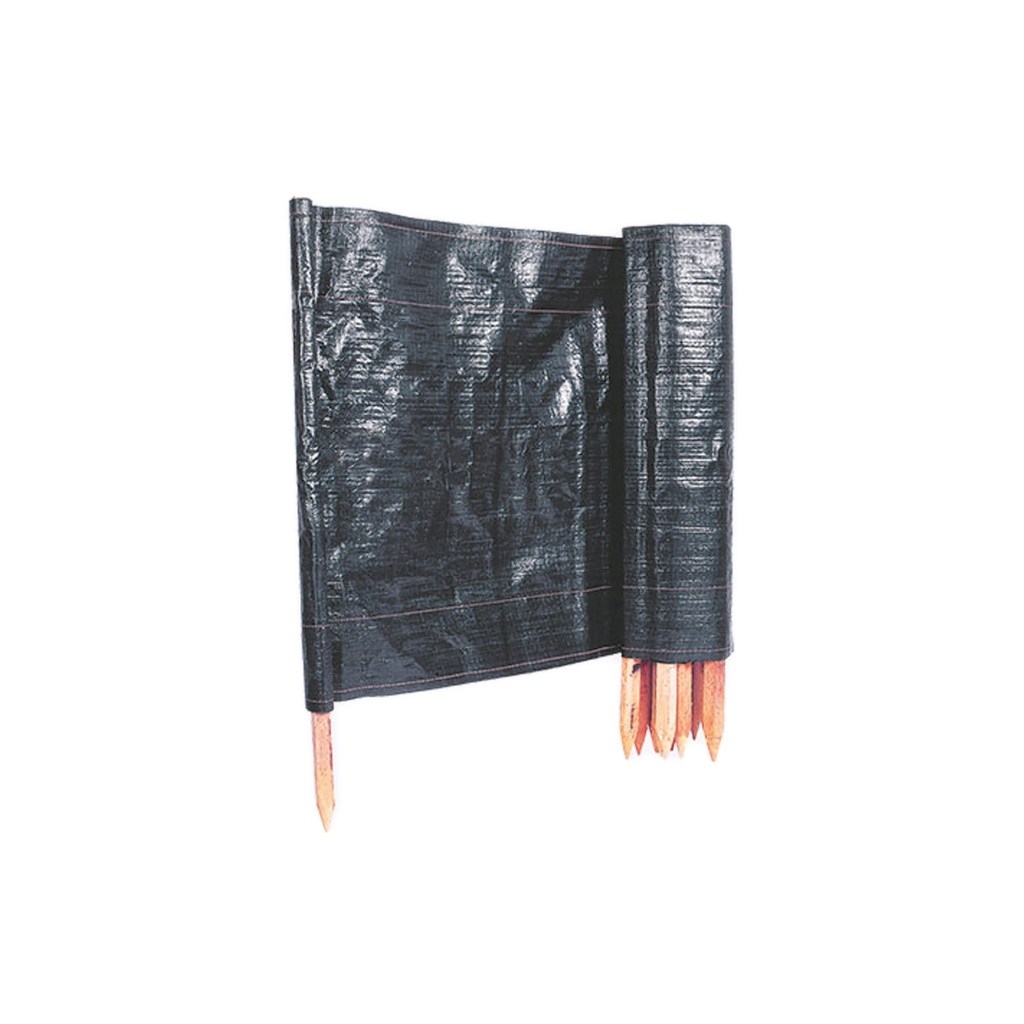
So, how do you combat the issue? At the higher levels, many groundskeepers remove their topdressing soon after their ball season ends by sweeping and shoveling the material off. While this is the best method to prevent winter lip build up, most organizations below the professional levels usually either don’t have the manpower or the time, or both, to fully remove it. There are other options to protect your turf edges that don’t require you to pull off all of the topdressing materials. It involves creating a barrier to prevent or reduce the amount of topdressing that gets through to the turf edges. These include the use of silt fencing, straw erosion control wattles, and even field hoses are just a few things one can use to restrict the topdressing from invading the grass edges. You may even come up with some better and more economical ideas for your situation. Whichever one you choose, place them all along the edges about a foot into the infield skin and anchor in place. On a baseball field, with a grass infield, there is only need to do this on the large infield skin, not down the baselines. On a totally skinned infield, place around the perimeter of the large skinned area.
By performing this preventative maintenance, your spring opening will be much cleaner with little or no additional lip formation along your infield skin turf edges. If your field(s) don’t have any topdressing on them, there is no need for this preventative maintenance unless you have infield soil that is susceptible to migration from heavy rain. In that case, the same strategy can be used but on a smaller scale by only setting up the barriers where the migration typically occurs.
 The DuraEdge Blog